Kenner Properties Deserve a Tree Service Company That Understands Jefferson Parish
Why Kenner Homes Need Ongoing Tree Maintenance
Residential properties across Kenner sit on land that stretches from the Mississippi River levee northward to Lake Pontchartrain, and that low-lying geography creates conditions where trees grow aggressively but often develop structural problems that go unnoticed until a storm exposes them. The south side of the city features older neighborhoods built in the 1950s and 1960s where live oaks and pecans have had decades to spread root systems under foundations, buckle sidewalks, and push canopy limbs over rooflines. On the north side, subdivisions developed from the 1970s onward were planted with fast-growing shade trees that now compete for space with structures, fences, and utility lines. In both areas, the combination of high water tables, clay-heavy soils, and year-round humidity drives rapid growth while simultaneously weakening root anchorage. Dead limbs accumulate in canopies faster than most homeowners realize, and the dense leaf cover common to Southeast Louisiana species makes it difficult to spot decay, fungal infection, or hanging deadwood from ground level. Hurricane seasons compound these risks, turning neglected branches into projectiles and toppling trees with compromised root plates. A tree service company familiar with these conditions can identify hazards during routine maintenance visits and address them before they become emergency calls. Properties in Kenner benefit most from a crew that understands how the local soil profile, seasonal rainfall patterns, and storm exposure interact to shape the way trees grow, fail, and recover across Jefferson Parish.
Keeping Mature Canopies Under Control Across Kenner
Maintaining trees on a Kenner property means accounting for conditions that change with every season and every storm cycle. Summer heat and humidity push growth rates that can add several feet of canopy spread in a single year, while late-summer hurricanes and tropical systems test every weak joint, hollow trunk, and shallow root plate in the area. Properties near Lake Pontchartrain deal with salt-influenced soils that stress certain species and encourage dieback in upper canopies, while lots closer to the river sit on denser clay that holds water and limits how deeply roots can anchor. Older trees that survived storms like Katrina and Ida may appear healthy from the street but carry internal damage that only becomes visible when a limb separates or a trunk cracks under wind load. Routine trimming reduces canopy weight and opens the crown to allow wind to pass through rather than catch against dense foliage. Stump grinding addresses trip hazards and removes habitat for termites and fungal colonies that can migrate to nearby healthy trees. Emergency response capability matters here more than in most markets because storm damage in Kenner tends to involve large-canopy hardwoods falling across structures, driveways, and power lines in tightly developed residential blocks. Working with a tree service company that operates consistently in this area means the crew already understands the species mix, the soil behavior, and the infrastructure layout before they arrive at any given property.
Tree Removal for Kenner Homes and Businesses
Removing a tree in Kenner often involves working around structures that were built close together on narrow suburban lots where the tree has grown well beyond the space originally intended for it. Live oaks with canopy spans exceeding fifty feet are common across older sections of the city, and their removal requires sectional cutting with rigging systems that lower each piece in a controlled path to avoid rooflines, fences, and utility connections. The root systems in Kenner's clay-heavy soil tend to spread laterally rather than deeply, which means root plates can extend well under driveways and foundations even when the trunk sits several feet away. When a tree is structurally compromised, leaning toward a structure, or actively failing, the removal process must account for the weight distribution of the canopy, the condition of the trunk interior, and the proximity of overhead power lines that run through most residential blocks. Dead trees and storm-damaged trunks present additional complexity because the wood becomes brittle and unpredictable during cutting. Our crew evaluates each removal based on the specific conditions found at the property rather than applying a one-size approach. Every job includes full debris haul-off, and stump grinding is available to bring the remaining material below grade level so the area can be replanted, sodded, or paved depending on the owner's needs. Properties in Kenner that have delayed removal due to cost or access concerns often find that early assessment prevents more expensive emergency situations when storms move through.
Trimming and Canopy Reduction in Kenner
Trimming schedules in Kenner need to account for the rapid growth cycles driven by Southeast Louisiana's heat, rainfall, and long growing season. Trees that were properly shaped twelve months ago can develop overextended limbs, dense interior growth, and deadwood accumulation that significantly increase wind resistance and branch failure risk. The pre-hurricane-season window between March and May is the most critical trimming period for Kenner properties because reducing canopy density and removing dead weight before June lowers the chance of catastrophic limb failure during tropical weather events. Live oaks respond well to careful crown thinning that removes crossing branches and opens interior airflow without stripping more than a quarter of the canopy in any single session. Pecan trees, common throughout Kenner yards, develop heavy limb structures that benefit from regular weight reduction to prevent splits at major branch unions. Crepe myrtles and ornamental species require a different approach focused on shaping and maintaining clearance from structures and walkways. Every trimming job starts with a ground-level and aerial assessment of the canopy to identify deadwood, disease indicators, and structural weak points that need attention. Our crew follows ISA pruning standards on every cut to ensure proper healing and reduce the chance of decay entering through improperly made wounds. The goal is not just a cleaned-up appearance but a structurally sound canopy that can handle what the next storm season brings. Consistent trimming across multiple seasons builds cumulative resilience in mature trees that would otherwise become liabilities during severe weather.
Storm Damage Response Across Kenner
Storm damage in Kenner can range from a few broken limbs scattered across a yard to a full-canopy failure that puts a tree through a roof or across a driveway, blocking access to the property entirely. Jefferson Parish sits in one of the most hurricane-active corridors in the Gulf region, and the tree damage patterns here tend to involve large hardwoods with root plates that lift from saturated soil, split trunks at major unions, and hanging limbs that remain wedged in the canopy at dangerous angles. Our emergency response crews prioritize situations where trees are resting on structures, blocking roadways, or threatening utility lines, and we deploy with the rigging equipment and crane access needed to handle complex removals in tight residential spaces. Every storm job is documented with photographs and written descriptions that support homeowner insurance claims, because navigating the claims process after a major weather event is often as stressful as the damage itself. Pre-storm preparation is equally important. A thorough assessment before hurricane season identifies trees with structural deficiencies, deadwood loads, and root stability concerns that make them high-risk during sustained winds. Reducing that risk through targeted trimming and selective removal before a storm arrives is far less costly and disruptive than emergency cleanup afterward. Properties in Kenner that invest in annual pre-season assessments consistently experience less damage and faster recovery when major weather events move through the area.
Comprehensive Tree Care Services in LaPlace
Tailored to Your Needs
We offer a complete range of tree care services designed for the unique demands of Southeast Louisiana properties. From safe tree removal and precision trimming to emergency storm response and certified arborist assessments, every service is backed by local expertise, proper insurance, and a commitment to doing the job right the first time.
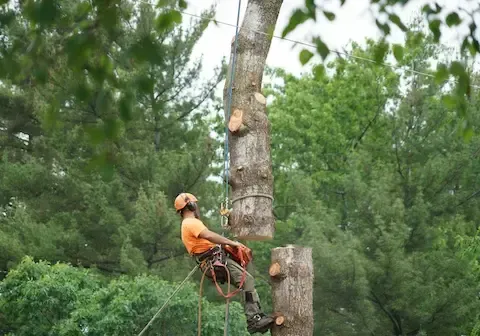
Safe, professional tree removal for hazardous, storm-damaged, and overgrown trees throughout the LaPlace area.
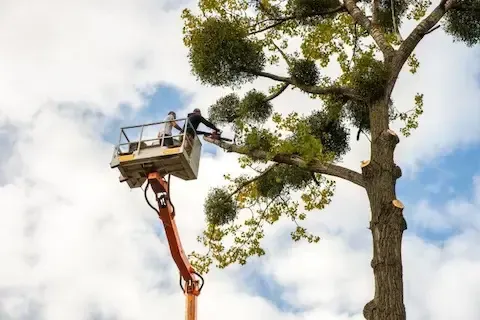
Expert trimming and pruning services to keep your LaPlace trees healthy, safe, and storm-ready year-round.
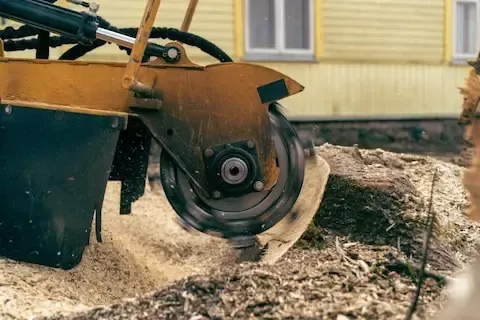
Fast, clean stump grinding that removes hazards and reclaims your yard space in the LaPlace area.
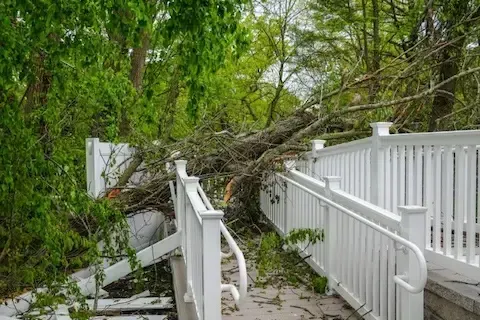
24/7 emergency response for fallen trees, storm damage, and dangerous limbs throughout the LaPlace area.
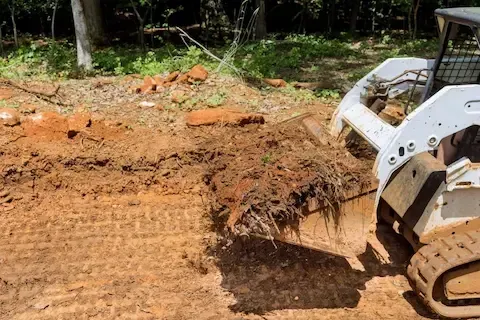
Complete land clearing for residential and commercial properties in the LaPlace and River Parishes area.
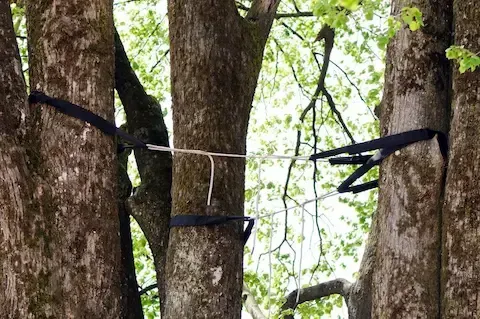
Preserve mature trees with professional cabling and bracing systems installed to ANSI standards.
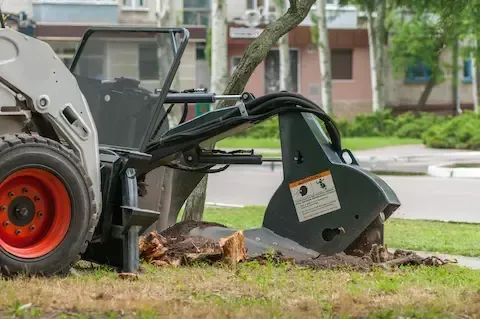
Complete stump and root extraction for clear sites and permanent root damage resolution.
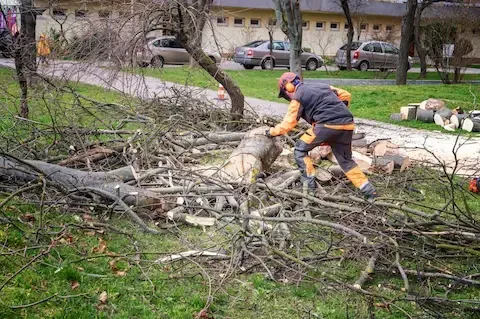
Comprehensive post-storm cleanup including tree removal, debris hauling, and hidden damage assessment.
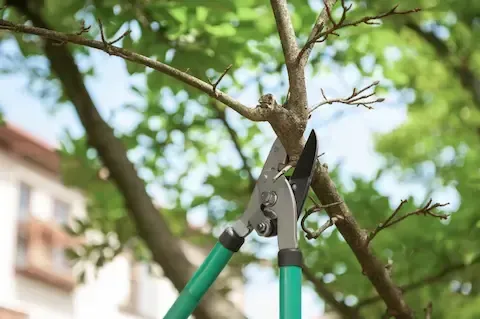
Certified arborist consultations for tree health, disease diagnosis, and long-term care planning.
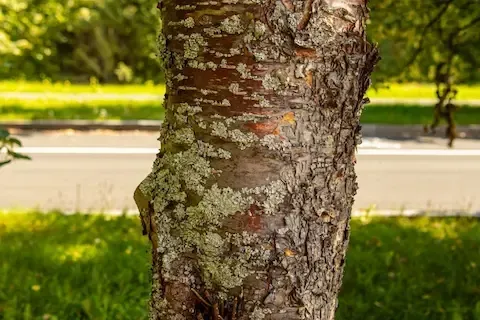
Expert diagnosis and treatment for tree diseases common to Southeast Louisiana's subtropical climate.
Frequently Asked Questions
Tree Care can be complex, and we’re here to provide answers to common questions. Here are some frequently asked questions from our clients.
Frequently Asked Questions about Tree Service Company
How much does tree service cost in LaPlace?
Tree service costs in LaPlace vary based on the size of the tree, accessibility, and type of work needed. A standard trimming job typically runs between $250 and $800, while full removals can range from $500 to $3,000 or more for large live oaks or storm-damaged trees. We provide free on-site estimates so you know exactly what to expect before any work begins.
Do I need a permit to remove a tree in St. John the Baptist Parish?
St. John the Baptist Parish may require permits for removing certain trees, especially those near roadways or in protected zones. Regulations can vary depending on the size and species of the tree. Our crew handles the permit research for every job and will let you know if any approvals are needed before we start cutting.
How do I know if a tree on my property is dangerous?
Warning signs include large dead branches hanging in the canopy, visible cracks or splits in the trunk, fungal growth near the base, root heaving, and a noticeable lean that has developed recently. In Southeast Louisiana, trees that survived hurricane damage may have hidden structural weakness. If anything looks off, a professional assessment is the safest next step.
What is the best time of year to trim trees in Louisiana?
Late winter through early spring is ideal for most species in Southeast Louisiana because trees are dormant and it is easier to see the branch structure. However, dead or hazardous limbs should be removed any time of year. We also recommend a pre-hurricane-season trim between March and May to reduce wind load before storm season hits in June.
Do you offer emergency tree service after storms?
Yes. We provide 24/7 emergency response for storm-damaged trees throughout the LaPlace area and surrounding parishes. Our crews are experienced with hurricane aftermath cleanup and prioritize situations involving trees on structures, blocking roadways, or threatening utility lines. Call us any time and we will get a crew to your property as quickly as conditions allow.
How long does a typical tree removal take?
Most residential tree removals in LaPlace take between two and six hours depending on the size, species, and location of the tree. Large live oaks near structures or power lines require more careful rigging and sectional removal, which adds time. We will give you a clear timeline during your free estimate so you can plan your day accordingly.
Need Tree Care?
What Our Satisfied Clients Have to Say About LaPlace Tree Care
We pride ourselves on delivering great results and experiences for each client. Hear directly from home and business owners who’ve trusted us with their Tree Care needs.

They took down a massive live oak that was leaning toward our roof. The crew was careful with every cut and cleaned up the yard like they were never there. Honest pricing and great communication from start to finish.
LaPlace Homeowner
After Hurricane Ida we had three trees down across our driveway and fence. They were out within 24 hours and handled everything including the insurance paperwork. Could not have asked for a better experience during a stressful time.
Destrehan Property Owner
We needed several large oaks trimmed before hurricane season and they did an excellent job shaping the canopies without over-cutting. You can tell they actually know how to work with live oaks. Fair price too.
Kenner Resident
The Trusted Tree Care Expert Near You
Ready to hear more about expert services at LaPlace Tree Care?
Contact us today to receive a detailed, no-obligation quote.